
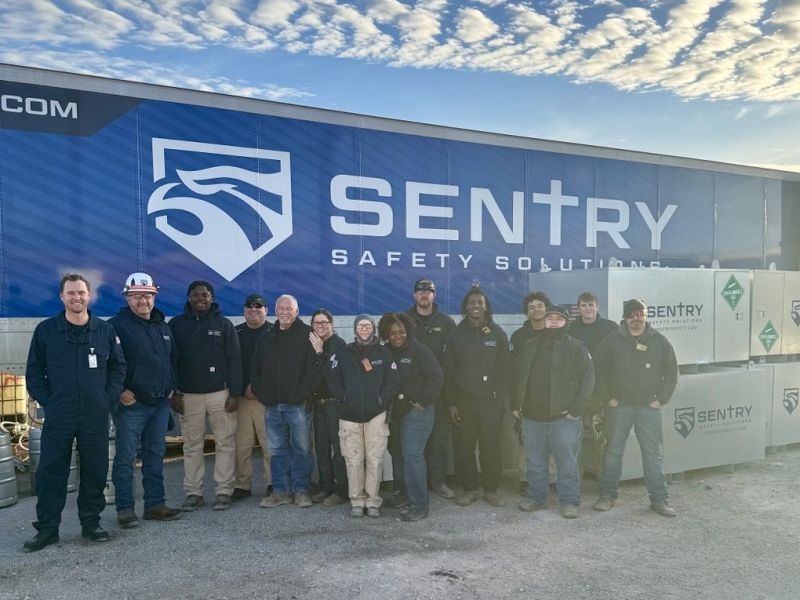
Why People Make the Difference in Industrial Safety
You can have the best equipment, the most detailed safety plans, and all the certifications in the world. But when conditions change on a jobsite, when split-second decisions need to be made, when someone’s life is on the line—none of that matters without the right people.
At Sentry Safety Solutions, our people are our competitive advantage.
Not because we say “People Are Our Power” in our marketing materials, but because we actually invest in them, trust them, and put them in positions where their expertise makes a real difference.
Safety programs are only as good as the professionals executing them. Here’s who’s behind yours.
Our Field Technicians: Experience You Can Trust
Our confined space rescue technicians, gas detection specialists, and site safety supervisors aren’t entry-level workers filling roster spots. They’re experienced professionals with specialized certifications and years of real-world expertise in high-risk industrial environments.
What Sets Our Technicians Apart
Deep Industry Experience
Our field teams average 5–15+ years of hands-on experience in industrial safety, emergency response, or technical rescue. Many come from backgrounds in:
- Refinery and petrochemical operations
- Municipal fire and rescue services
- Construction and infrastructure projects
- Energy and utilities safety management
- Military special operations and rescue units
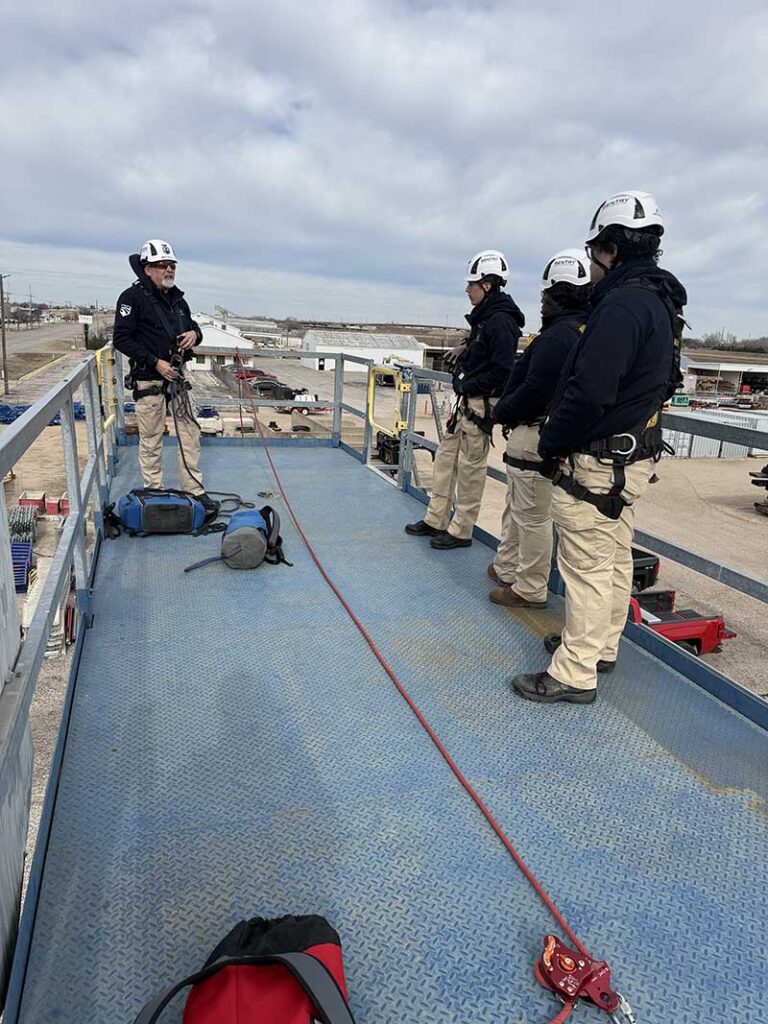
Extensive Certifications
Every Sentry technician maintains current certifications required for high-risk work, including:
- OSHA 1910.146 Confined Space Entry & Rescue
- HAZWOPER 40-Hour (29 CFR 1910.120)
- Rope Access Technician (SPRAT or IRATA certified)
- Atmospheric monitoring and gas detection
- Fall protection and rescue systems
- First Aid/CPR/AED (many are instructors)
- Site-specific client safety qualifications
Real-World Problem Solving
Our technicians don’t just follow checklists. They:
- Read environments and anticipate hazards before they become incidents
- Make real-time decisions based on changing conditions
- Coordinate with client teams and emergency responders
- Adapt safety protocols to match operational realities
- Document thoroughly for compliance and continuous improvement
Meet Chance: Confined Space Rescue Technician
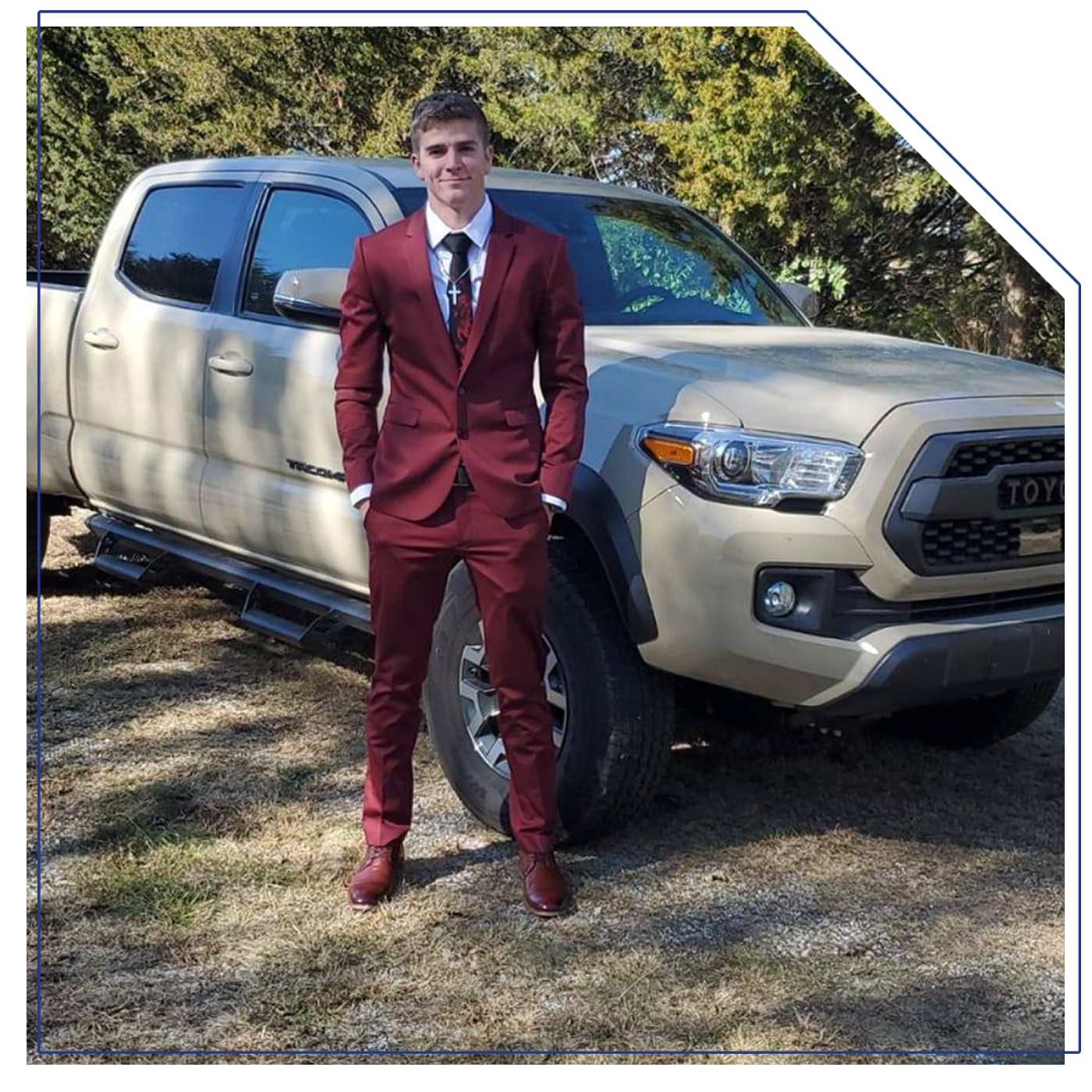
Meet Chance—one of our certified confined space rescue technicians who’s been with Sentry since day one.
With over seven years of experience prior to joining Sentry, Chance brought a strong foundation in safety and rescue to the team. Today, he leads confined space entries, standby rescue operations, and technical training for client crews.
He holds certifications in:
- Confined Space Entry & Rescue
- High Angle Rope Rescue Technician
- OSHA 10 and OSHA 30
- First Aid/CPR/AED
When asked what stands out to him about working at Sentry, Chance said: “The teamwork. Everyone’s willing to help each other out when they can.” That’s what field-ready expertise—and a strong safety culture—looks like.
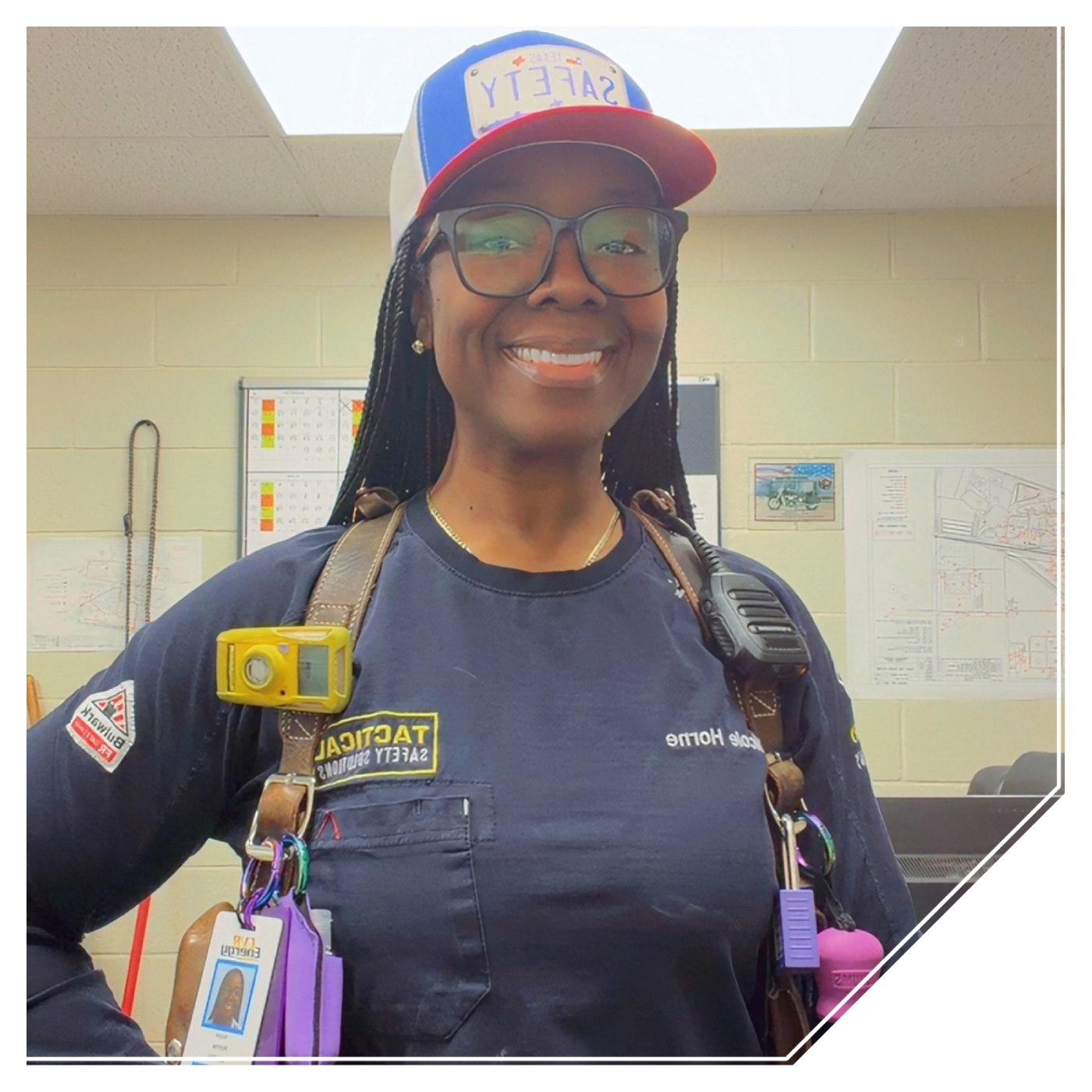
Meet Nicole: Safety Professional
The insights in this section come from Nicole, a Sentry safety professional currently supporting a major turnaround project. Nicole works closely with operations teams, contractors, and safety personnel onsite to keep work moving safely while maintaining strict compliance standards.
Her day-to-day perspective offers a real look at what it takes to manage risk, coordinate teams, and stay vigilant in a fast-moving industrial environment.
A Day in the Life of a Safety Professional
There’s no such thing as a typical day in industrial safety—but there is a consistent focus on preparation, awareness, and coordination.
For Sentry safety professionals, the day starts early and stays active, balancing planning, field oversight, and real-time problem solving to keep people safe and projects moving forward.
Early Morning: Preparation and Alignment
The day often begins around 5 a.m., arriving onsite to prepare for shift turnover. By 6 a.m., teams roll over with the outgoing shift to exchange updates on conditions and ongoing work.
By 7 a.m., safety professionals are in capital project meetings aligning with operations teams before work begins.
Morning Operations: Permits and Planning
Between 7:30 and 10:30 a.m., the focus shifts to the work permit rush—reviewing and coordinating permits to ensure hazards are identified and controls are in place before work starts.
After a quick break around 11 a.m., attention turns to field oversight and coordination across the site.
Field Oversight and Monitoring
Throughout the day, safety professionals conduct:
- Permit, contractor, and OSHA audits
- Confined space and hot work gas testing
- Job walks and LOTO walkdowns
- Fire extinguisher and fresh air trailer inspections
- Perimeter monitoring around high-risk areas
They also assist operations with permit writing, co-sign critical permits, and support contractors with safety and procedural questions.
Coordination and Leadership
Daily responsibilities include participating in client meetings and training sessions, supporting PSSR walkdowns, assisting with contractor orientations, and coordinating with emergency response teams during drills or evacuations.
Many Sentry professionals also oversee EMTs and other safety personnel while monitoring capital projects across the site to ensure consistent safety performance.
The Work Isn’t Glamorous—But It’s Essential
The work is methodical, focused, and demands constant vigilance. But it’s also what keeps projects moving safely and workers protected.
Behind every successful confined space entry, turnaround, or rescue standby operation is a team that shows up prepared, stays alert, and never cuts corners—because lives depend on it.
That’s the Sentry standard.
What Sets Our PMs Apart
They Anticipate, Not React
Great safety project managers don’t just respond to problems—they prevent them. Our PMs:
- Walk sites before work begins to identify potential hazards
- Conduct detailed risk assessments based on actual conditions, not just paperwork
- Build safety plans that adapt when reality doesn’t match expectations
- Maintain equipment and staffing buffers for unexpected changes
They Communicate Under Pressure
When an emergency happens or conditions change rapidly, there’s no time for ambiguity. Our project managers provide:
- Clear, decisive direction during critical situations
- Coordinated communication between field teams, client personnel, and emergency responders
- Real-time updates to stakeholders without sugarcoating
- Documentation that stands up to regulatory scrutiny
They Back Their Teams
If a Sentry technician raises a safety concern, work stops. If someone needs additional resources or support, they get it—no questions asked.
This isn’t just policy. It’s how our project managers actually operate. Because they know backing their team in the moment builds the trust required for high-risk work.
Certifications & Continuous Training
At Sentry Safety Solutions, we don’t just maintain certifications—we invest in continuous learning and skill development.
Core Certifications Our Teams Hold
- OSHA 1910.146 Confined Space Entry Supervisor
- OSHA 1910.120 HAZWOPER 40-Hour + Supervisor
- OSHA 1926 Construction Safety (10-Hour and 30-Hour)
- OSHA 1910.147 Lockout/Tagout Authorized
- Site Safety & Health Officer (SSHO)
- NFPA 1006 Technical Rescue Technician
- Rope Rescue Technician (Confined Space, High Angle)
- SPRAT/IRATA Rope Access Levels 1–3
- Confined Space Rescue Team Member & Team Leader
- Industrial Fire Brigade Member
- First Aid/CPR/AED (many team members are instructors)
- Bloodborne Pathogens Awareness
- Emergency Oxygen Administration
- Automated External Defibrillator (AED) trained
- Atmospheric Monitoring & Gas Detection
- Fall Protection Competent Person
- Scaffold Competent Person (where applicable)
- Rigging & Signaling
- Forklift & Aerial Lift Operation
- Client-specific safety management systems (SAP, Avetta, ISN, etc.)
- Industry-specific protocols (refining, construction, data centers)
- New equipment and technology as it becomes available
- Emerging hazards and safety innovations
Ongoing Training & Development
Every quarter, our team participates in:
- Refresher training on core competencies
- New equipment familiarization
- Scenario-based drills and exercises
- Lessons learned from incidents (ours and industry-wide)
We track expiration dates and ensure recertifications happen on time:
- HAZWOPER 8-hour annual refresher
- CPR/First Aid renewals
- Gas monitor calibration and competency
- Client-specific qualification renewals
Experienced technicians work alongside newer team members to support:
- Knowledge transfer on best practices
- Site-specific lessons learned
- Technical skill development
- Safety culture reinforcement
Why This Matters
Competence isn’t a one-time achievement—it’s an ongoing commitment. We invest in training because the difference between a safety program that works and one that looks good on paper is the people executing it.
Walk onto any Sentry jobsite and you’ll see our culture in action. It’s not what we say—it’s how we operate.
What Career Growth Looks Like at Sentry
Our people don’t just maintain skills—they sharpen them constantly.
We promote from within because we value experience and institutional knowledge. Our best project managers started as field technicians who learned the work from the ground up.
We fund:
- Advanced certifications and specialized training
- Conference attendance and industry education
- New equipment familiarization
- Leadership and management development
- Technical skills advancement
Experienced team members work alongside newer technicians:
- Formal mentorship pairings
- Knowledge sharing on complex projects
- Cross-training across disciplines
- Leadership development opportunities
We take on complex, high-risk projects that demand expertise:
- Refinery turnarounds and shutdowns
- Multi-site safety program coordination
- Emergency response and rescue operations
- Cutting-edge technology integration
Career Growth & Development at Sentry
We don’t just hire safety professionals. We grow them.
At Sentry Safety Solutions, career development isn’t a program outlined in an employee handbook—it’s part of our culture. When our people grow stronger, our clients get better outcomes.
Current Opportunities
We’re Growing—and Looking for the Right People
Sentry is expanding our capabilities and geographic reach. We’re always interested in connecting with certified safety professionals who:
- Have real-world experience in high-risk industrial environments
- Hold current certifications (confined space, rescue, HAZWOPER, etc.)
- Want to work with a team that values expertise and professionalism
- Are committed to continuous learning and improvement
- Share our safety-first, people-first values
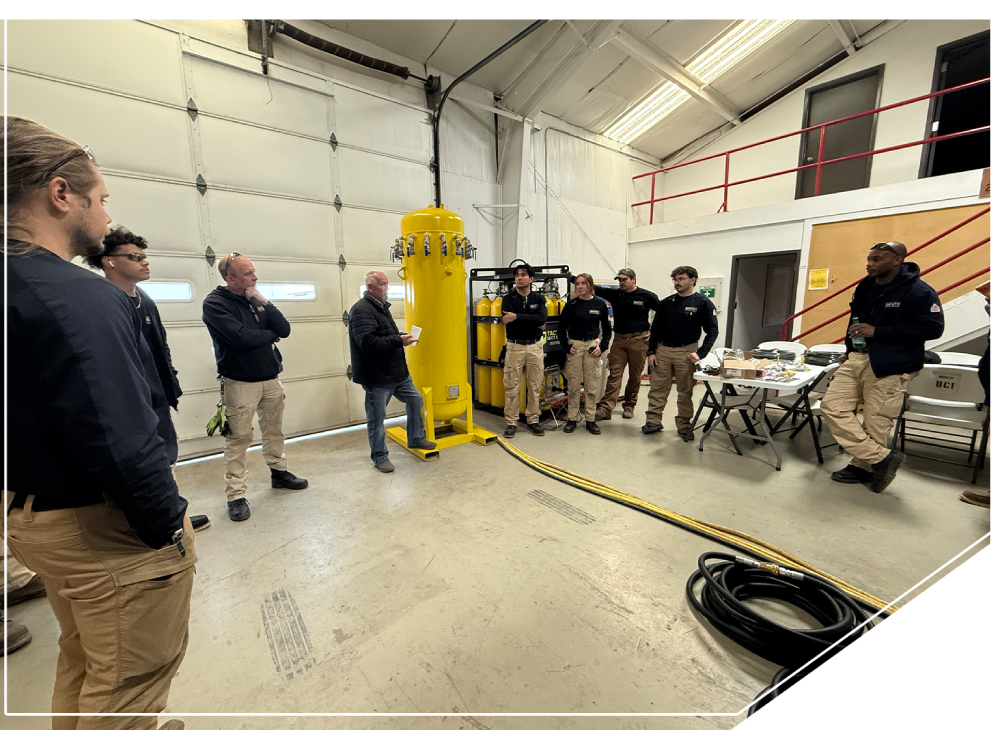
Positions We Typically Hire:
- Confined Space Entry & Rescue Technicians
- Site Safety Supervisors
- Gas Detection Specialists
- Rope Access Technicians
- Safety Project Managers
- Emergency Response Coordinators
If you’re a certified safety professional looking for challenging work, professional growth, and a team that actually lives its values—let’s talk.
What We Look For
Experience & Certifications
- Relevant industry experience (industrial, construction, energy, emergency response)
- Current safety certifications (OSHA, NFPA, HAZWOPER, etc.)
- Specialized skills (confined space, rescue, rope access, gas detection)
- Clean safety record and professional reputation
Professionalism & Mindset
- Ownership and accountability
- Safety-first decision making
- Clear communication under pressure
- Continuous improvement mindset
- Team-focused collaboration
Cultural Fit
- Shares Sentry’s core values
- Comfortable challenging the status quo
- Willing to mentor and be mentored
- Committed to excellence, not just compliance
- Genuine care for people’s safety and well-being
The Bottom Line
Safety programs are only as good as the people running them.
At Sentry Safety Solutions, you’re not getting:
- Entry-level workers filling roster spots
- Generic safety services checking compliance boxes
- Project managers who’ve never worked in the field
- Teams that rotate constantly with no institutional knowledge
You’re getting:
- ✓ Experienced professionals with specialized certifications
- ✓ Field-tested expertise in high-risk environments
- ✓ Project managers who lead from the front
- ✓ A culture built on accountability, excellence, and mutual respect
- ✓ People who genuinely care about your team’s safety
That’s the difference between compliance and true protection.