
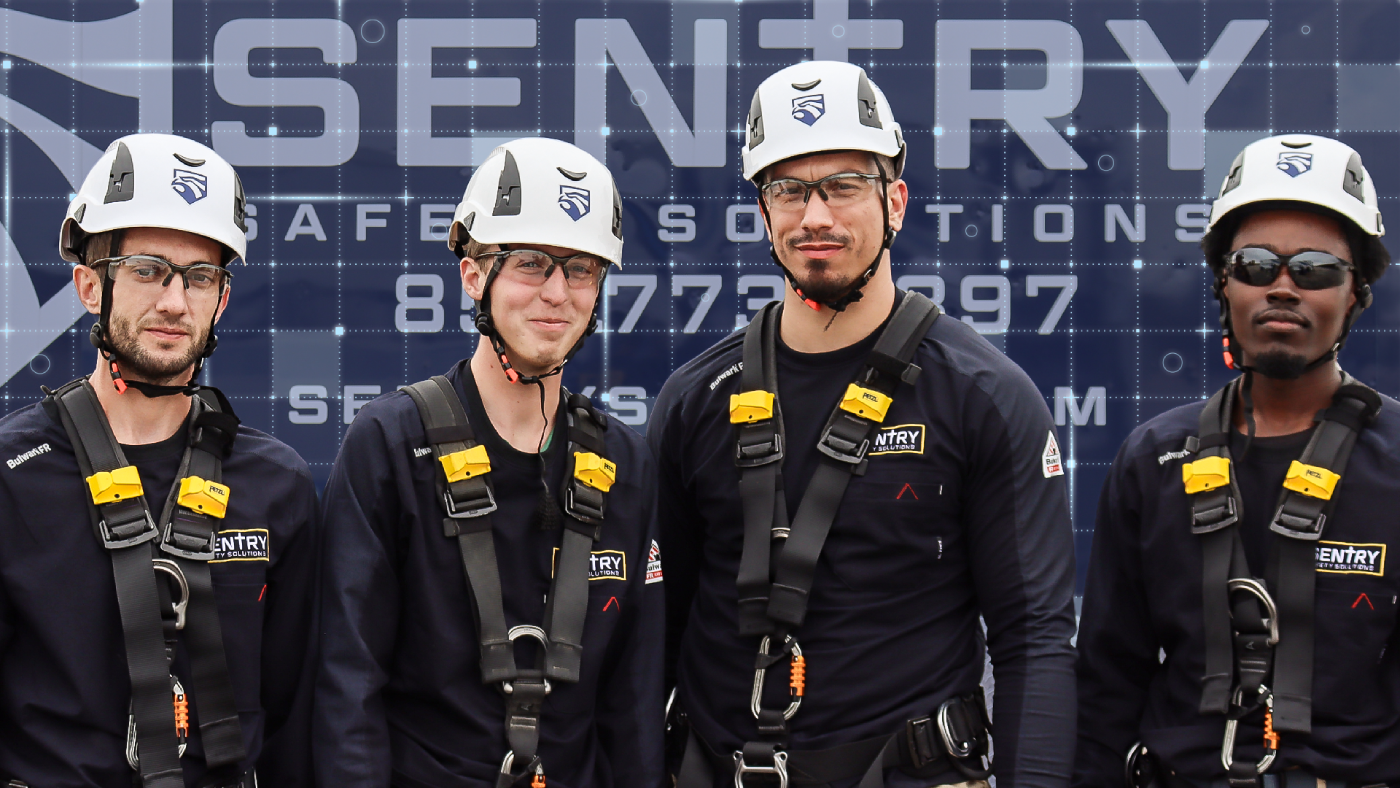
When lives depend on preparation, there’s no room for shortcuts.
In high-hazard industries, training isn’t a checkbox—it’s a lifeline. Workers enter confined spaces, operate in hazardous atmospheres, and perform tasks where a single mistake can have life-changing consequences.
At Sentry Safety, our daily philosophy is that the best rescue is the one that never has to happen. Through rigorous training programs, strict compliance support, and a culture of continuous learning, we help organizations prepare their teams for the risks they face every day.
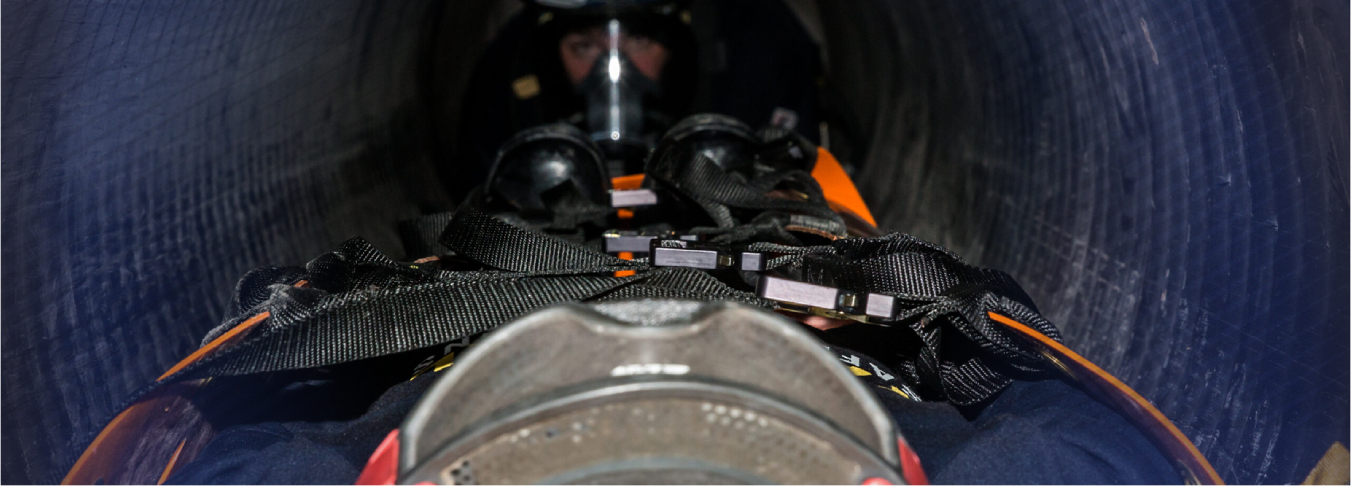
Confined Space Training: Understanding the Environment Before You Enter It
Confined spaces are the #1 cause of multiple-fatality workplace accidents. They are not designed for continuous human occupancy, often present serious atmospheric hazards, and because they are difficult to access and exit, leave very little margin for error.
Yet workers enter them every day across industries ranging from oil and gas to wastewater management, manufacturing, and construction.
That’s exactly why confined space training cannot be rushed.
Sentry Safety’s confined space training programs are built around OSHA 29 CFR 1910.146 and go well beyond minimum requirements. Participants learn how to identify permit-required confined spaces, understand the differences between permit-required and non-permit spaces, and recognize the atmospheric, physical, and engulfment hazards that make these environments uniquely dangerous.
But understanding the hazards is only the first step.
Our training focuses heavily on operational execution, ensuring workers know how to respond in real-world conditions.
Sentry’s confined space training covers:
- Identifying permit-required confined spaces
- Atmospheric hazard recognition and monitoring
- Gas detection equipment use and calibration
- Ventilation assessment
- Energy control strategies such as lock-out / tag-out
- Communication protocols between entrants and attendants
- Pre-entry atmospheric testing and continuous monitoring
- Entry authorization procedures and safety documentation
Trainees also learn the importance of evaluating conditions before entry, monitoring the environment throughout the work period, and recognizing when changing conditions require immediate evacuation.
Our confined space entry education programs include a focus on the nature of confined spaces specifically tailored to each individual client. We utilize case studies from real world incidents to create discussions that improve understanding of the unique nature of working in these environments.
In a confined space, the difference between a routine shift and a serious incident can come down to a single gas monitor reading—and whether the person holding it understands what that reading means.
At Sentry Safety, we make sure they do.
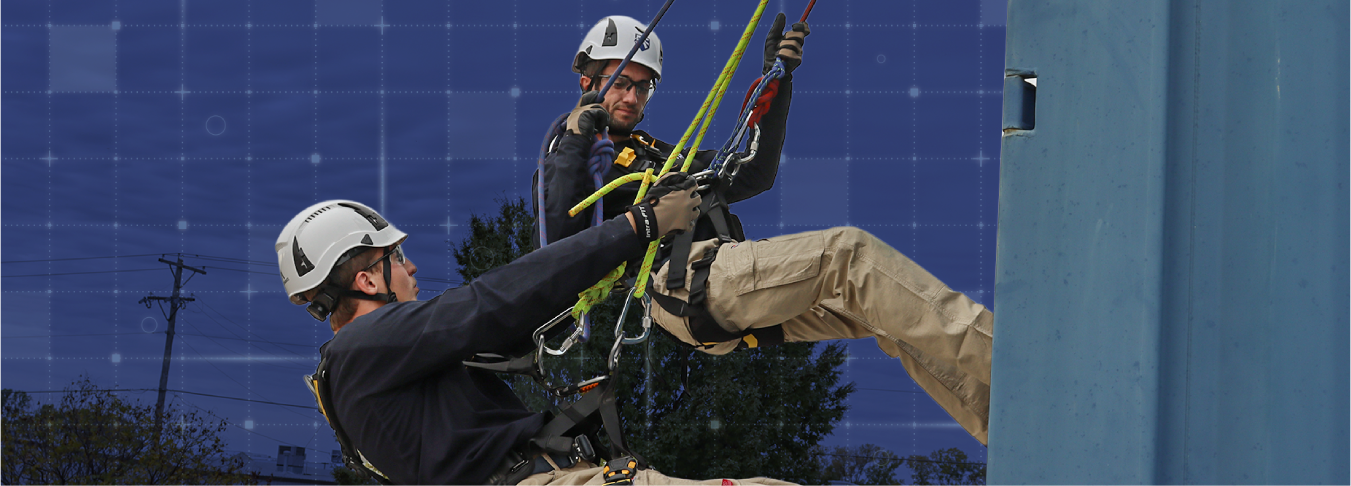
Rescue Training in Action: Preparing for the Moments That Matter Most
Compliance training prepares workers to operate safely. Rescue training prepares them for the moment when safety controls fail.
In confined space incidents, seconds matter. Without proper preparation, a single emergency can quickly become a multi-casualty event.
Even before an emergency happens, rescue teams assess the needs and hazards of every permit-required confined space and the work being performed. Planning for rescue includes ensuring workers understand that support is in place, establishing clear communication protocols, and providing the documentation required to meet OSHA permit-required confined space entry standards.
That’s why Sentry Safety’s rescue training focuses on realistic scenarios and hands-on response preparation, not classroom theory alone.
Non-entry rescue is always the preferred method, and our training emphasizes this from the start. Retrieval systems, tripods, and mechanical advantage setups allow rescuers to extract an incapacitated worker from outside the space whenever possible. This approach significantly reduces the risk of additional rescuers becoming victims themselves.
Our trainees practice rigging and operating these systems under time pressure, because real emergencies do not allow time to consult a manual.
When non-entry rescue is not possible, entry rescue demands an entirely different level of preparation.
Sentry Safety’s entry rescue training includes:
- Self-contained breathing apparatus (SCBA) operation
- Proper donning and doffing procedures
- Emergency air supply management
- Team-based rescue coordination
- Victim handling in confined environments
- Controlled extraction through restricted openings
Trainees practice moving through tight spaces while wearing full PPE and managing an unresponsive victim under high-pressure conditions.
We also train teams on triage and emergency medical response, because removing a worker from the space is only the first stage of the emergency.
What sets Sentry Safety’s rescue training apart is the emphasis on scenario-based instruction. Through simulated rescue operations, hands-on drills, and after-action reviews, we build the muscle memory and situational awareness that cannot be developed through presentations alone.
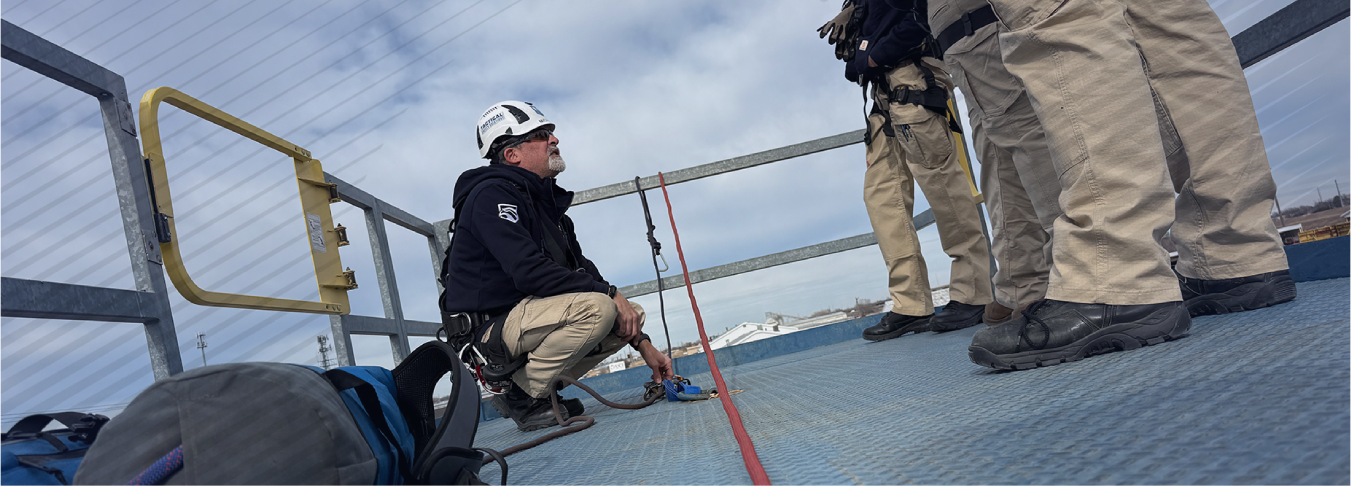
Why Compliance Matters: Risk Reduction Is the Real ROI
There is a strong business case for compliance.
OSHA violations can result in penalties reaching tens of thousands of dollars per citation. Incident investigations, workers’ compensation claims, litigation, and reputational damage following a serious workplace injury can cost organizations far more.
The financial argument for proactive compliance is clear.
But at Sentry Safety, we believe the most important argument is the human one.
Every injury that does not happen is a worker who goes home safely to their family. Every near miss that is properly reported and corrected prevents a future tragedy. Every confined space entry that follows proper procedures reinforces the idea that safety and productivity are not in conflict.
Doing the job right and doing the job safely are the same thing.
Compliance frameworks such as OSHA 1910.146 for general industry confined spaces, 1926 Subpart AA for construction, and NFPA 350 guidance for confined spaces exist because people were injured or killed before these rules were written.
They represent hard-earned lessons about what can go wrong and how to prevent it.
Sentry Safety helps organizations build compliance programs that are proactive rather than reactive. Our team conducts site-specific risk assessments, helps identify overlooked permit-required confined spaces, reviews written safety programs for gaps, and provides documentation support to keep organizations audit-ready.
The goal is not simply to pass an inspection; the goal is to build a safety program strong enough that inspections become routine.
Risk reduction at this level does not happen by accident. It happens because organizations choose to invest in preparation.
Sentry Safety is the partner companies turn to when they are ready to make that investment.
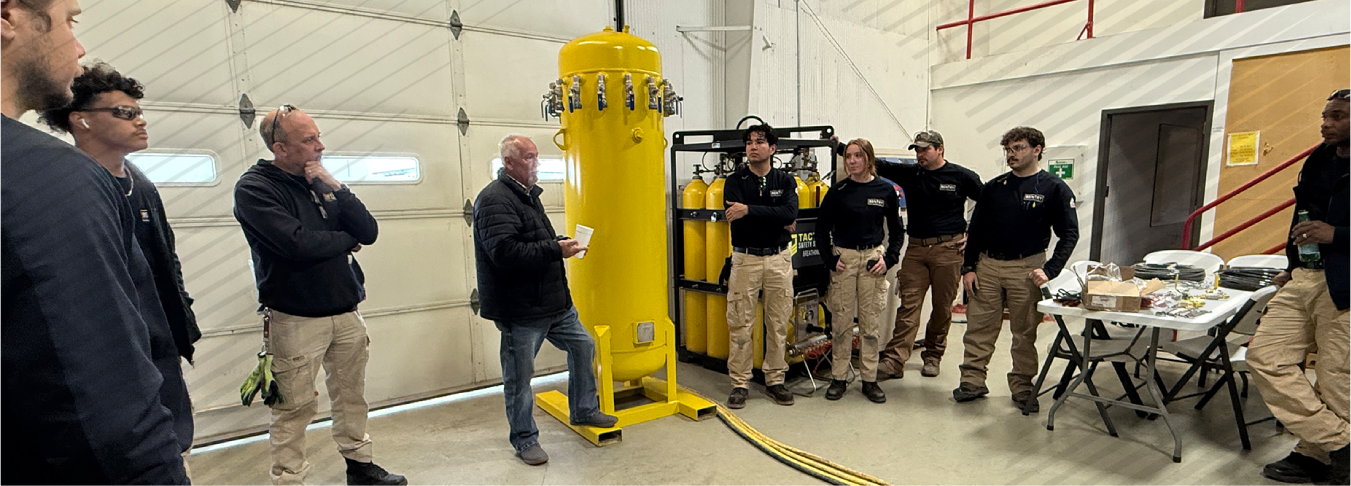
Certifications and Continuous Training: Safety Doesn’t Expire
Earning a certification is a milestone. But safety training is never truly finished.
Sentry Safety offers certification programs aligned with nationally recognized standards, providing workers and organizations with verifiable proof of competency and readiness.
Our programs include:
- Confined space entrant and attendant certification
- Rescue technician training
- Supervisor-level confined space oversight training
- Emergency response and rescue team development
For workers, these certifications represent professional achievement. For employers, they provide documented proof that teams have been trained to recognized regulatory standards.
However, certification is only the starting point.
OSHA requires retraining whenever there is reason to believe a worker no longer has the knowledge or skills to perform safely. Best practices go even further.
Sentry Safety recommends annual refresher training at a minimum, along with additional training triggered by incident reviews, equipment updates, procedural changes, or the introduction of new hazards.
The organizations that lead in safety treat training as an ongoing conversation rather than a one-time requirement.
Cross-training also plays a critical role. An attendant who understands rescue procedures performs their role more effectively. A supervisor who has practiced emergency response makes better decisions during confined space planning.
When the entire team understands the full safety picture—not just their individual role—communication improves, response times improve, and outcomes improve.
That is the continuous training culture Sentry Safety works to build with every client we serve.
The Sentry Safety Difference
Compliance is not a burden. It is a framework for keeping people alive.
Training is not a cost. It is an investment in the people who do the work every day.
At Sentry Safety, we combine deep regulatory expertise, hands-on instructional experience, and a genuine commitment to workplace safety to deliver training and compliance programs that make a real difference.
We do not train to the minimum standard.
We train to the highest level—because that is what the workers who rely on us deserve.
Whether your organization needs confined space training, rescue team development, compliance program auditing, or a partner to help build a lasting safety culture, Sentry Safety is ready.
Because when safety is on the line, preparation makes the difference.
Ready to strengthen your safety training program?
Contact Sentry Safety today to learn how our training and compliance solutions can protect your team and strengthen your organization.